
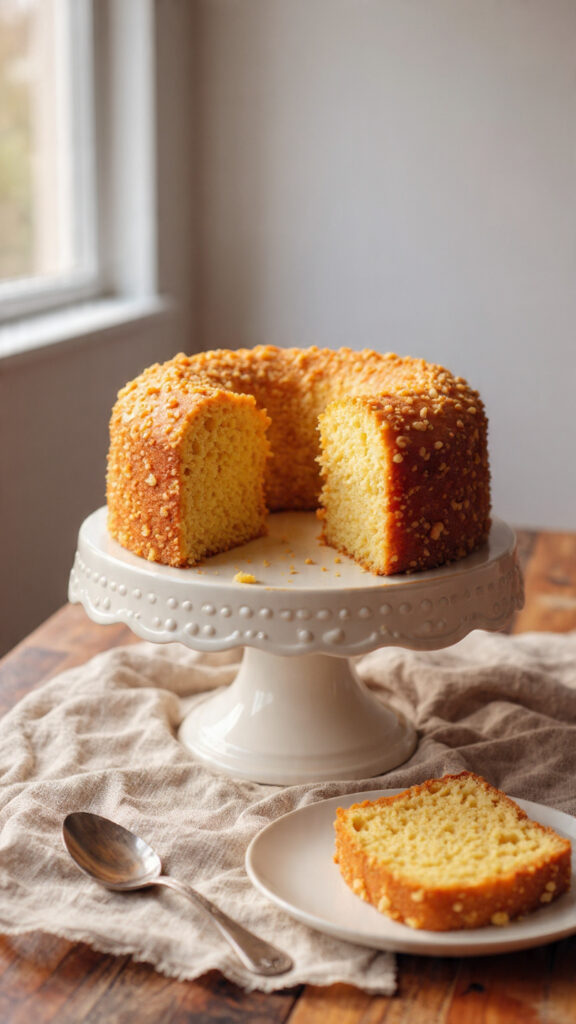
There’s something undeniably comforting about a classic pound cake. This isn’t just any dessert—it’s a timeless treasure that’s been gracing American tables for generations, and for good reason. With its tender, buttery crumb and golden-brown crust, this pound cake delivers pure satisfaction in every slice. The moment you pull it from the oven, your kitchen fills with the intoxicating aroma of sweet vanilla and rich butter that’ll have everyone wandering in to see what smells so amazing.
What makes this pound cake truly special is its incredible versatility. Serve it plain with your morning coffee for a simple breakfast treat, dress it up with fresh berries and whipped cream for an elegant dinner party dessert, or toast a slice and slather it with butter for an indulgent afternoon snack. The texture is absolutely perfect—dense enough to be satisfying but tender enough to melt on your tongue, with that signature tight crumb that makes pound cake so distinctive.
Unlike fussy layer cakes that require precise frosting skills or complicated decorating techniques, this pound cake is beautifully simple. Its golden exterior and classic loaf shape make it naturally attractive, requiring zero decorating unless you want to get creative. Whether you’re baking for a potluck, a gift, or just because you’re craving something sweet and buttery, this recipe delivers consistent, foolproof results every single time. The flavor is rich but not overwhelming, with notes of vanilla and butter that shine through without being masked by heavy frostings or fillings.
Why You’ll Love This Recipe
- Foolproof and beginner-friendly – No special equipment or complicated techniques required
- Uses simple pantry ingredients – Everything you need is probably already in your kitchen
- Incredibly versatile – Dress it up or down depending on the occasion
- Stays moist for days – This cake actually gets better as it sits, making it perfect for meal prep
- Perfect for gifting – Wrap it up nicely and you’ve got a homemade gift anyone will love
- Easily customizable – Add your favorite flavors, extracts, or mix-ins without compromising the texture
Ingredients Explained
Understanding why each ingredient matters will help you bake with confidence and troubleshoot if needed.
Butter is the star of the show in pound cake. It provides the rich, tender texture and incredible flavor that makes this cake so addictive. Make sure your butter is at true room temperature—not melted, not cold, but soft enough that you can press your finger into it easily. This ensures proper creaming and incorporation of air, which contributes to the cake’s structure.
Sugar does more than just sweeten. When creamed with butter, it creates tiny air pockets that help the cake rise and develop that perfect tender crumb. The sugar also helps keep the cake moist by attracting and holding onto moisture molecules.
Eggs are the binding agent and provide structure. They also add richness and help create that beautiful golden color. Room temperature eggs incorporate more easily into the batter and create better emulsification, leading to a more uniform texture. Cold eggs can cause the butter to seize up, creating a lumpy batter.
Flour provides the structure that holds everything together. All-purpose flour is ideal for pound cake because it has a moderate protein content that creates a tender but sturdy crumb. Too much flour makes the cake dry, while too little makes it dense and gummy.
Vanilla extract enhances all the other flavors and adds warmth. Pure vanilla extract is worth the investment here since the flavor really shines through in such a simple recipe.
Salt might seem like a small addition, but it’s crucial. It balances the sweetness and enhances all the other flavors, preventing the cake from tasting flat or one-dimensional.
Baking powder gives just a little extra lift. Traditional pound cakes didn’t use any leavening, but a small amount helps create a slightly lighter texture while maintaining that classic dense, buttery quality.
Step-by-Step Tips
Start with room temperature ingredients. This is the single most important tip for pound cake success. Take your butter, eggs, and any dairy out of the refrigerator at least an hour before baking. Room temperature ingredients emulsify properly, creating a smooth, homogeneous batter that bakes evenly.
Cream the butter and sugar thoroughly. Don’t rush this step! Beat them together for at least 3-5 minutes until the mixture is light, fluffy, and pale in color. This incorporates air that helps the cake rise and creates that tender texture. The mixture should look almost white and fluffy when properly creamed.
Add eggs one at a time. This ensures each egg is fully incorporated before adding the next. Beat well after each addition until the batter is smooth and creamy. If your batter looks slightly curdled, don’t panic—it should come together once you add the dry ingredients.
Don’t overmix the flour. Once you add the flour, mix on low speed just until no streaks remain. Overmixing develops the gluten, which can make your cake tough and chewy instead of tender. A few gentle folds with a spatula at the end ensures everything is incorporated without overworking the batter.
Prepare your pan properly. Grease your pan generously with butter or baking spray, then dust with flour, tapping out any excess. This creates a barrier that prevents sticking and also helps create that beautiful golden crust. For extra insurance, line the bottom with parchment paper.
Use an oven thermometer. Home ovens can be wildly inaccurate. If your oven runs hot, your cake will brown too quickly on the outside while remaining raw in the center. An oven thermometer ensures you’re baking at the right temperature.
Test for doneness properly. Insert a toothpick or cake tester into the center of the cake. It should come out with just a few moist crumbs attached—not wet batter, but not completely clean either. The cake will continue cooking slightly as it cools.
Let it cool in the pan. Allow the cake to cool in the pan for about 15-20 minutes before turning it out. This gives the structure time to set and prevents the cake from breaking apart. If you try to remove it too soon, it might stick or crumble.
Substitutions & Variations
Butter substitutes: While butter is traditional and highly recommended for the best flavor, you can use margarine in a pinch. However, avoid using oil or melted butter as these change the texture significantly. For a slight tang, replace half the butter with full-fat sour cream or Greek yogurt.
Sugar alternatives: You can substitute granulated sugar with superfine sugar for a slightly more tender crumb. Brown sugar can replace up to half the white sugar for a deeper, caramel-like flavor. Avoid artificial sweeteners as they don’t provide the same structure and moisture retention.
Egg replacements: For every egg, you can use 1/4 cup unsweetened applesauce or a commercial egg replacer, though the texture will be slightly different. For a richer cake, try replacing one or two whole eggs with egg yolks only.
Flour options: Cake flour creates an even more tender crumb—use 1 cup plus 2 tablespoons of cake flour for every cup of all-purpose flour. Gluten-free 1-to-1 baking flour works well, though you may need to add a teaspoon of xanthan gum if your blend doesn’t include it.
Flavor variations:
- Lemon Pound Cake: Add 2-3 tablespoons of fresh lemon zest and replace vanilla with lemon extract
- Almond Pound Cake: Replace vanilla with almond extract and add 1/2 cup finely ground almonds
- Cream Cheese Pound Cake: Replace 4 ounces of butter with cream cheese for extra tanginess
- Chocolate Pound Cake: Replace 1/2 cup flour with unsweetened cocoa powder
- Marble Pound Cake: Divide batter in half, add cocoa to one portion, then swirl together in the pan
- Coconut Pound Cake: Add 1 cup shredded sweetened coconut and use coconut extract
- Rum Pound Cake: Add 2 tablespoons of dark rum and brush the baked cake with rum syrup
Mix-ins: Fold in 1 cup of chocolate chips, dried cranberries, chopped nuts, or fresh blueberries (tossed in flour) just before baking.
Storage & Reheating
Room temperature storage is actually best for pound cake. Once completely cooled, wrap the cake tightly in plastic wrap or aluminum foil, or store in an airtight container. It will stay fresh and moist at room temperature for up to 5 days. Many people actually find that pound cake tastes even better on day two or three as the flavors have time to meld and develop.
Refrigerator storage extends the life to about a week, but can dry out the cake slightly. If you refrigerate it, bring slices to room temperature before serving or warm them slightly for the best texture and flavor. Wrap the cake thoroughly to prevent it from absorbing refrigerator odors.
Freezer storage is excellent for pound cake. Wrap individual slices or the whole cake tightly in plastic wrap, then again in aluminum foil or place in a freezer bag. Properly wrapped pound cake freezes beautifully for up to 3 months. Thaw overnight in the refrigerator or at room temperature for a few hours.
Reheating methods: For the best texture, warm individual slices in the microwave for 10-15 seconds, or toast them lightly in a toaster or toaster oven. You can also warm slices in a 300°F oven for about 5 minutes. Toasted pound cake slices are absolutely divine—the outside gets slightly crispy while the inside stays soft and tender.
Reviving stale cake: If your pound cake has dried out a bit, brush slices lightly with simple syrup, milk, or fruit juice before warming. This adds back moisture and makes the cake taste fresh-baked again.
Serving Ideas
Pound cake is delicious on its own, but these serving suggestions take it to the next level:
Classic pairings: Serve slices with fresh whipped cream and seasonal berries—strawberries, blueberries, raspberries, or a mixed berry compote. The tartness of the fruit perfectly balances the rich, buttery cake.
Fruit toppings: Try it with macerated strawberries, peach slices, caramelized apples, or a warm cherry sauce. Lemon curd spread on a slice creates a lovely contrast of tart and sweet.
Ice cream and cake: Transform your pound cake into an easy dessert by topping warm slices with vanilla ice cream, caramel sauce, or chocolate ganache. For a truly indulgent treat, make ice cream sandwiches using two slices of pound cake.
Breakfast service: Toast slices and spread with butter, jam, Nutella, or peanut butter for a delightful breakfast. It also pairs wonderfully with cream cheese for a bagel-like experience.
Beverage pairings: Coffee is the traditional pairing, but pound cake also goes beautifully with hot tea, especially Earl Grey or chamomile. For dessert service, try it with dessert wine, port, or a sweet sherry. Cold milk is perfect for a casual afternoon snack.
Fancy it up: Create a trifle by cubing pound cake and layering it with pudding, whipped cream, and fruit. Or make French toast using thick slices of pound cake for an extra-decadent breakfast.
Party presentation: Cut into small cubes and serve on skewers with fresh fruit for an easy party appetizer. Or slice thinly and serve with a cheese plate—pound cake pairs surprisingly well with sharp cheddar or blue cheese.
FAQs
Why did my pound cake sink in the middle?
This usually happens for a few reasons: opening the oven door too early (which causes a temperature drop), undermixing the batter (which doesn’t incorporate enough air), or having your oven temperature too high (which causes the outside to set before the inside is done). Make sure not to peek for at least the first 45 minutes of baking, and verify your oven temperature with an oven thermometer. Overmixing the flour can also weaken the structure, causing collapse.
How do I know when my pound cake is done?
The cake should be golden brown on top and pulling away slightly from the sides of the pan. A toothpick or cake tester inserted into the center should come out with a few moist crumbs but no wet batter. The top should spring back lightly when touched. If you have an instant-read thermometer, the internal temperature should be around 200-210°F. Don’t rely solely on baking time as oven temperatures vary—use visual and texture cues as your guide.
Can I make pound cake in a different pan size?
Yes, but you’ll need to adjust the baking time. If using a bundt pan, the baking time will be similar. For smaller loaf pans, divide the batter and reduce baking time by 10-15 minutes. For a 9×13 inch pan, the cake will be thinner and bake faster—start checking around 30-35 minutes. Cupcakes or muffins will take about 20-25 minutes. Whatever pan you use, fill it no more than two-thirds full to prevent overflow.
Why is my pound cake dry?
Dry pound cake usually results from overbaking, using too much flour, or not measuring ingredients properly. Make sure you’re measuring flour correctly—spoon it into the measuring cup and level it off rather than scooping directly from the bag, which compacts it. Also ensure your butter and eggs are at room temperature for proper emulsification. Using all-purpose flour instead of cake flour can also make it drier. Store the cake properly wrapped to maintain moisture.
Can I make pound cake ahead of time?
Absolutely! Pound cake is actually one of the best make-ahead desserts. Bake it 1-2 days in advance and store it wrapped at room temperature. The flavor and texture often improve as the cake sits. You can also freeze it (baked and cooled) for up to 3 months, making it perfect for holiday baking or unexpected guests. Thaw at room temperature and warm slightly before serving for that fresh-baked taste.
What’s the difference between pound cake and regular cake?
Traditional pound cake gets its name from the original recipe: a pound each of butter, sugar, eggs, and flour. This creates a much denser, richer texture than regular layer cakes, which typically use chemical leavening and have a lighter, fluffier crumb. Pound cake has a tight, velvety texture and more intense butter flavor. It’s sturdier and less sweet than frosted layer cakes, making it perfect for serving plain or with simple toppings. The density also means it stays fresh longer and holds up well to toasting or using in other desserts like trifles.
Print
Classic Pound Cake
- Total Time: 1 hour 25 minutes
- Yield: 12 servings (1 loaf cake) 1x
- Diet: Vegetarian
Description
This classic pound cake recipe delivers a rich, buttery, and tender crumb with a beautiful golden crust. Simple to make with pantry staples, this timeless dessert is perfect for any occasion—serve it plain, toasted, or dressed up with your favorite toppings.
Ingredients
- 1 cup (2 sticks) unsalted butter, softened to room temperature
- 2 cups granulated sugar
- 4 large eggs, room temperature
- 3 cups all-purpose flour
- 1 teaspoon baking powder
- ½ teaspoon salt
- 1 cup whole milk, room temperature
- 2 teaspoons pure vanilla extract
Instructions
- Preheat oven to 325°F (165°C). Grease and flour a 9×5-inch loaf pan or 10-inch bundt pan. Line the bottom with parchment paper for easy removal.
- Cream butter and sugar in a large bowl using an electric mixer on medium-high speed for 4-5 minutes until light, fluffy, and pale in color.
- Add eggs one at a time, beating well after each addition until fully incorporated and the mixture is smooth and creamy.
- Combine dry ingredients in a separate bowl by whisking together the flour, baking powder, and salt.
- Mix wet ingredients by combining the milk and vanilla extract in a measuring cup or small bowl.
- Alternate additions: With mixer on low speed, add the flour mixture in three additions and the milk mixture in two additions, beginning and ending with flour. Mix just until no streaks of flour remain. Do not overmix.
- Pour batter into the prepared pan and smooth the top with a spatula. Tap the pan gently on the counter to release any air bubbles.
- Bake for 60-75 minutes (loaf pan) or 50-60 minutes (bundt pan), until the top is golden brown and a toothpick inserted into the center comes out with just a few moist crumbs.
- Cool in the pan on a wire rack for 15-20 minutes, then carefully turn out onto the rack to cool completely before slicing.
Notes
- Room temperature ingredients are crucial for proper emulsification and texture. Remove butter, eggs, and milk from the refrigerator 1 hour before baking.
- Don’t open the oven door for at least the first 45 minutes of baking to prevent the cake from sinking.
- Measuring flour correctly: Spoon flour into measuring cups and level off with a knife. Don’t scoop directly from the bag as this compacts the flour.
- Cake keeps well: Store wrapped at room temperature for up to 5 days, refrigerated for 1 week, or frozen for up to 3 months.
- Flavor variations: Add lemon zest, almond extract, or fold in chocolate chips for variety.
- Prep Time: 15 minutes
- Cook Time: 70 minutes
- Category: Dessert
- Method: Baking
- Cuisine: American
Nutrition
- Serving Size: 1 slice (1/12 of cake)
- Calories: 385 kcal
- Sugar: 34g
- Sodium: 180mg
- Fat: 18g
- Saturated Fat: 11g
- Unsaturated Fat: 6g
- Trans Fat: 0g
- Carbohydrates: 52g
- Fiber: 1g
- Protein: 6g
- Cholesterol: 110mg
Keywords: pound cake, classic pound cake, butter cake, loaf cake, easy pound cake, vanilla pound cake, homemade pound cake, traditional pound cake